
Masonry Restoration · Chicagoland, IL
How Chicago's Freeze-Thaw Cycle Destroys Masonry — And What To Do About It
Chicago's climate is unusually hard on masonry. Understanding the freeze-thaw mechanism — how it works, what it damages, and in what order — is the foundation for making smart repair and maintenance decisions.
2026-04-02
The Physics of the Problem
Chicago averages over 100 freeze-thaw cycles per year — days when the temperature crosses the 32°F threshold in both directions. For masonry, each one of those cycles is a small mechanical event.
Here's the mechanism: water penetrates porous materials like mortar and brick through capillary action. When that water freezes, it expands by roughly 9% in volume. That expansion exerts pressure on the material containing it — pressure that, over dozens or hundreds of cycles, fractures mortar and eventually breaks brick faces apart.
The critical factor isn't any single freeze-thaw event. It's the cumulative effect across a building's lifetime. A mortar joint that's been cycling for 20 years has been under that mechanical stress hundreds of times. At some point, it loses. This is why masonry in Chicago requires periodic maintenance — not because it was built poorly, but because the physics of the local climate are working against it constantly.
What Fails First, and Why
The freeze-thaw cycle attacks masonry in a specific sequence. Understanding that sequence helps you prioritize.
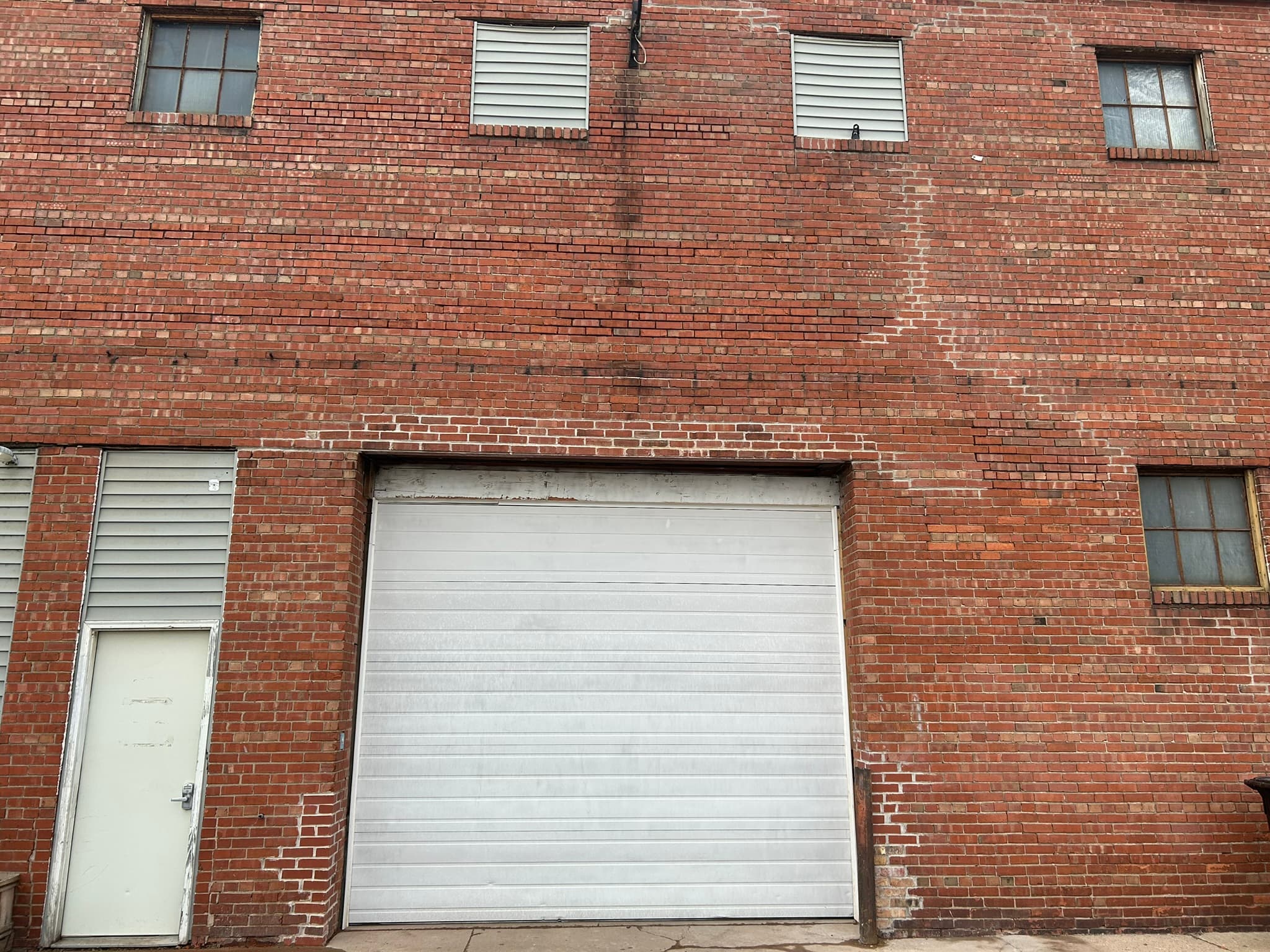
Mortar joints fail before brick. This is intentional. Mortar is designed to be the sacrificial element in a masonry wall — it takes the stress so the brick doesn't have to. When mortar begins to fail, it recedes from the brick face, cracks along the joint line, or crumbles when probed. This is a sign the system is working as designed. The problem is when that deterioration goes unaddressed.
Exposed surfaces fail before protected surfaces. Parapet walls — the masonry above the roofline — fail faster than wall masonry because they're exposed on both faces and the top. North-facing walls see more freeze-thaw cycling than south-facing walls because they stay wet longer. Chimney masonry fails faster than wall masonry for the same reason.
Previously repaired areas often fail faster. Patches applied over deteriorated mortar without proper joint removal fail through one or two freeze-thaw cycles. Incompatible mortar — harder than the surrounding material — transfers stress into the brick face and causes spalling. The repair history of a building is often as important as its current condition.
Brick spalling follows joint failure. Once mortar joints fail, water enters the wall assembly in greater volume. Saturated brick that freezes is the mechanism behind spalling — the brick face breaks away as the expansion pressure builds. By the time you're seeing spalling brick on a building, the underlying mortar joint deterioration has usually been present for years.
The Window of Opportunity
Freeze-thaw damage is progressive, but it's not linear. The relationship between time, condition, and repair cost looks like this:
In the early stages — joints beginning to recede, minor cracking — tuckpointing is straightforward and relatively contained. The brick is sound, the wall structure is intact, and the repair is a maintenance item.
As the condition progresses — joints significantly recessed, water infiltration beginning, efflorescence appearing — the scope grows. More joint linear footage needs attention, and the cause of any water infiltration needs to be identified and addressed.
In the late stages — significant water infiltration, brick spalling, interior damage — the scope is now a restoration project. You're not just repointing joints; you're replacing brick, addressing water damage, and potentially dealing with interior finish repairs as well.
The cost differential between these three stages is not small. Tuckpointing at the right time is a fraction of the cost of a full restoration after years of deferred maintenance.
What Property Managers and Building Owners Should Do
Establish a baseline assessment. If you've acquired a building without a documented masonry history, get an assessment. Walk all elevations with someone who knows what they're looking at. Document the condition — mortar joint recession, cracking patterns, spalling locations — and establish the priority order for repair.
Address active water infiltration first. If water is getting into the building through masonry failures, that's the priority. Interior damage compounds quickly, and mold remediation costs multiply the overall repair scope. Find the entry point and address it.
Don't patch over deteriorated joints. Surface patching without grinding out failing mortar is a temporary measure. It looks like a repair, it doesn't function like one, and it makes the actual repair more difficult when it eventually gets done.
Tuckpoint before the brick starts going. The moment to repoint is when joints have deteriorated but the brick is still sound. Once the brick starts spalling, the scope has already grown significantly.
Plan for parapet walls. In any masonry assessment of a commercial or multi-family building, parapet walls should be a specific line item. They fail faster and cause more water damage per linear foot than any other part of the building envelope.
What Emerald Masonry Recommends for Chicagoland Properties
For commercial and institutional buildings in Chicagoland, our general guidance:
- Mortar joint inspection every 10 years
- Tuckpointing when joints have receded more than ¼" from the brick face, or when probing reveals soft or crumbling mortar
- Parapet wall attention as a priority whenever any masonry work is being done
- Chimney assessment in spring to catch crown and joint deterioration before the next freeze cycle
Most commercial buildings that have been properly maintained don't need emergency masonry work. The ones that arrive at emergency scope almost always got there through a combination of missed inspections and deferred maintenance decisions.
Freeze-thaw damage is inevitable in Chicago. The damage from deferred maintenance is not.