
Parapet Wall Repair · Chicagoland, IL
Parapet Wall Failure: Signs Every Commercial Property Manager Should Know
Parapet walls fail quietly — the visible damage at street level is usually a lagging indicator of problems that have been active for years. Knowing what to look for from the ground, and when to arrange for a closer look, can prevent a maintenance issue from becoming a major repair.
2026-04-02
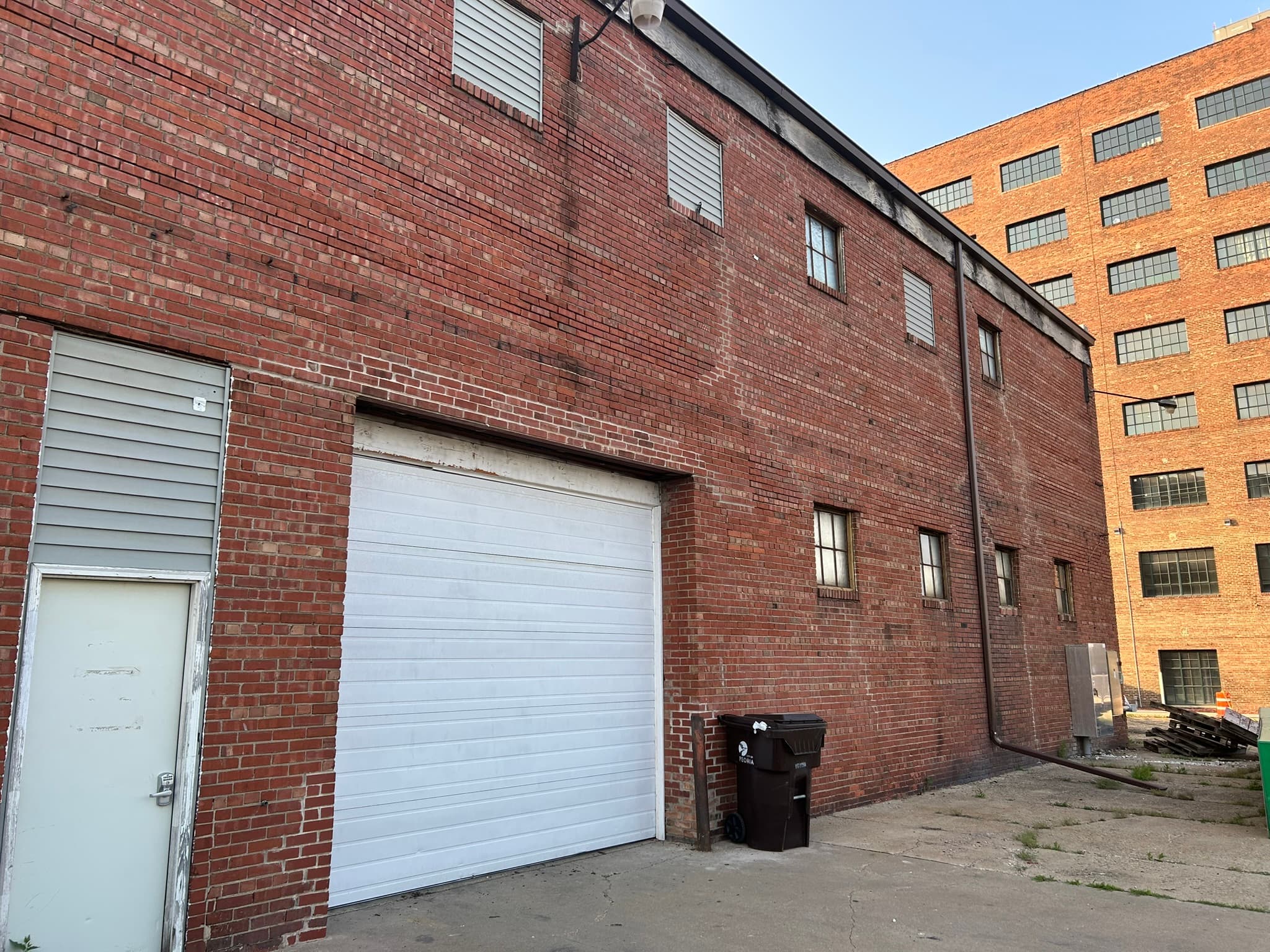
Most commercial property managers can see their building's ground floor clearly. They notice cracks near entrances, staining at the base of the wall, brick damage near dumpsters. What's harder to see — and therefore easier to defer — is what's happening at the parapet level, 20 or 30 feet up.
Parapet walls are the low walls that extend above the roofline on flat and low-slope commercial buildings. They're visible from the street, but their actual condition isn't observable without binoculars, a lift, or a drone. And parapet failures don't announce themselves dramatically — they leak slowly, silently, and destructively over years before the interior evidence becomes obvious.
Here's what to look for, what it means, and when to escalate from "observed concern" to "get a contractor up there."
What You Can See from the Ground
You don't need roof access to get a reasonable read on parapet condition. Ground-level and street-level observation reveals several useful indicators.
Efflorescence on the Upper Wall
White staining — the salt deposits called efflorescence — on the upper section of your building's exterior wall is one of the most reliable ground-level indicators of parapet trouble. It tells you water is moving through the wall. On a commercial flat-roof building, the most likely source is the parapet system above: failed coping joints, deteriorated mortar, or compromised through-wall flashing.
Efflorescence low on the wall near grade has different sources. Efflorescence concentrated in the top 10–20 feet of an exterior wall, below the parapet, is a clear signal to look up.
Coping Unit Displacement or Gaps
Parapet coping — the cap units on top of the wall, typically precast concrete or stone — is visible from the street on most commercial buildings. Look for:
- Coping units that appear shifted or uneven relative to each other
- Open gaps between coping units (should be tightly jointed with sealed joints)
- Coping that appears to lean or tip outward
- Weeds or vegetation growing at the parapet top (a reliable sign of open joints and standing water)
Even small gaps in coping joints are significant. Those gaps are open pathways for water to run directly into the top of the wall.
Horizontal Cracks in the Parapet Face
Horizontal cracking in the parapet face — distinct from the vertical joints between bricks — indicates thermal movement, structural stress, or both. Parapets expand and contract more dramatically than the main wall because they're exposed on all sides. Without adequate expansion accommodation, they develop horizontal cracks, particularly at the base of the parapet near the roofline.
Brick Spalling at the Parapet Level
Spalled brick — faces that have popped or delaminated — is visible even from the street on low commercial buildings. Parapet brick spalling is often more advanced than it appears from below. The top course of a parapet sees direct water exposure year-round, and freeze-thaw cycling in the brick accelerates quickly once moisture has penetrated.
Spalled brick at the parapet creates falling hazard potential. It's not just a maintenance issue.
Interior Indicators
Some parapet failures show up inside before they're visible outside. If your building has top-floor tenants, train yourself to ask about:
Water staining on ceilings near exterior walls. This pattern — ceiling staining within 10–15 feet of the exterior wall — is consistent with water entry at the parapet or roof-to-wall transition. It doesn't always mean the roof is failing; parapet infiltration is commonly misattributed to roofing problems.
Peeling paint or bubbling drywall at the top of exterior walls. Water that has moved through the wall and reached the interior finish coat shows up as paint failure. If this appears on upper floors near exterior walls, trace it back to the exterior.
Musty odor in interior spaces adjacent to exterior walls. Persistent moisture behind finish materials, even without visible staining, can produce this. Worth investigating if it's localized to exterior-adjacent areas.
When to Escalate to a Lift Inspection
The ground-level and interior checks above are good triage. But they can't replace a close-up inspection of the parapet from a lift or scaffold. Schedule a closer look if:
- You're seeing efflorescence on the upper wall and you don't know when the parapet was last inspected or repaired
- You've had interior water complaints on top floors near exterior walls
- The building is over 20 years old and has no masonry maintenance history
- You can see coping displacement or open joints from the ground
- You've had roof repairs that didn't solve the interior water problem (which may be the parapet, not the roof)
A lift inspection by an experienced masonry contractor takes a few hours and gives you a condition assessment that the ground-level view can't provide. We provide written findings with photographs — which is useful for your own records and for ownership or insurance reporting.
The Parapet Inspection Checklist
When a contractor is at parapet level, here's what should be assessed:
- Coping condition: Joint sealant intact? Units level and secure? Positive drainage away from building?
- Mortar joint condition: Joint depth across all exposed faces, top and sides? Any open or missing joints?
- Through-wall flashing: Visible at the base of the parapet? Signs of failure (water staining below the flashing line)?
- Brick integrity: Spalling, cracking, or displacement anywhere?
- Parapet ties: Any sign of the parapet separating from the main wall?
- Control joints: Properly located and sealed?
- HVAC equipment penetrations: Caulk and sealant at roof equipment, pipes, and conduit intact?
What Deferred Parapet Maintenance Costs
The sequence that plays out on deferred parapet maintenance is predictable. Year 1–3 after joint failure: efflorescence appears, water begins entering the wall. Year 3–7: freeze-thaw cycling begins to degrade the masonry, brick starts to spall, mortar continues to open. Year 7–12: water reaches through-wall flashing or bypasses it, begins entering the roof assembly or interior wall construction. Year 12+: interior damage, potential roof deck involvement, structural concerns.
The cost of parapet maintenance in years 1–3 — repointing, caulk replacement, coping joint repair — is a fraction of the cost of full parapet restoration after years of water infiltration have done their work. For most commercial flat-roof buildings, a focused parapet inspection and maintenance program every 5–7 years is the correct maintenance posture.
Emerald Masonry LLC provides free on-site parapet assessments for commercial properties throughout Chicagoland. We use aerial lifts for access on standard commercial building heights and provide a written findings report with photographs. Call (309) 323-9959 or schedule an assessment.
Also see: Parapet Wall Repair | Masonry Restoration | Waterproofing