
Efflorescence & Waterproofing · Chicagoland, IL
Waterproofing After Tuckpointing: Sequence, Products, and What Actually Works
Applying a sealer over masonry that needs repointing is a waste of money at best and counterproductive at worst. Getting the sequence right — and choosing the right product for the job — determines whether waterproofing actually protects your building or just creates new problems.
2026-04-02
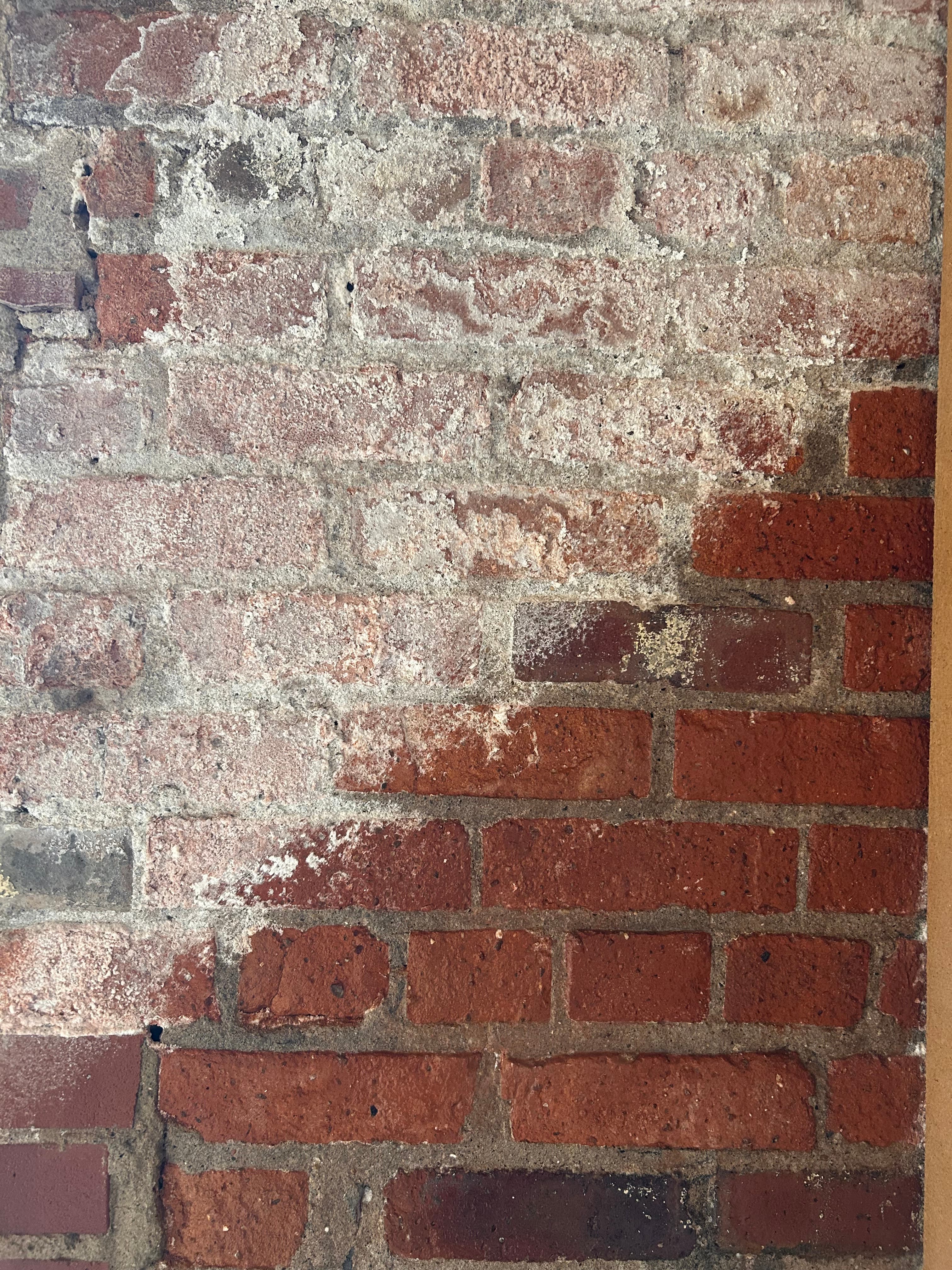
Property managers and building owners frequently ask whether they should seal their masonry after tuckpointing. It's a reasonable question — tuckpointing addresses joint failure, but the brick face itself still absorbs water, and in Chicago's climate that matters.
The short answer is: sometimes yes, sometimes no, always in the right order, and always with the right product. This post explains the sequence, the product types, and the situations where sealing adds real protective value versus where it's money spent on something that won't help.
The Sequence Problem
The most common mistake is applying sealer before — or instead of — repair work. Sealer is not a substitute for tuckpointing. It doesn't bridge open mortar joints. It doesn't stop water from entering at a cracked coping or failed flashing. It doesn't fix a failing lintel.
What sealer does is reduce water absorption through intact, properly repaired masonry surfaces. If the underlying masonry system has open joints, structural cracks, or other pathways for bulk water entry, sealer won't stop the infiltration — it will just make the surface look treated while water continues to get in.
The correct sequence for any masonry waterproofing project is:
- Full condition assessment — identify all pathways for water entry (joints, coping, flashing, caulk, cracks)
- Repair all deficiencies — repoint joints, replace damaged brick, address coping and flashing, replace caulk
- Allow mortar to cure — new mortar needs 28 days to reach design strength and stabilize; sealer applied too soon can affect the cure and clog pores before the mortar has properly set
- Clean the surface — remove efflorescence, biological growth, and surface contamination that would prevent sealer penetration
- Apply sealer — using the appropriate product for the masonry type and exposure
Skipping or reordering steps produces predictable problems.
Understanding Masonry Sealer Types
Not all "masonry waterproofing" products work the same way. The category includes several fundamentally different product types.
Penetrating Sealers (Silane/Siloxane)
These are the standard for commercial masonry waterproofing. Silane and siloxane molecules are small enough to penetrate the pores of brick and mortar, where they polymerize and chemically bond to the silica in the masonry. The result is a hydrophobic lining inside the pore structure — water beads and runs off rather than being absorbed, but water vapor can still escape.
Key characteristics:
- Water vapor permeable ("breathable") — this is critical. Masonry walls need to be able to release moisture vapor. A product that seals the surface completely traps moisture inside the wall, where freeze-thaw cycling can cause significant damage.
- No surface film — penetrating sealers don't change the appearance of the masonry. The surface looks the same after treatment.
- 10–15 year effective life on protected vertical masonry in Chicagoland conditions; less on horizontal surfaces (parapets, sills) with direct water exposure
- Appropriate for most commercial brick and CMU — but concentration and dilution ratios matter for the specific substrate
Film-Forming Sealers (Acrylics, Urethanes)
These coat the surface rather than penetrating it. They create a visible film and are not vapor permeable. On exterior masonry in a climate with significant freeze-thaw cycling, film-forming sealers are generally not appropriate — they trap moisture inside the masonry, which then has nowhere to go when temperatures drop and pressure builds.
You'll see these products marketed for masonry, and some have legitimate uses (interior masonry, below-grade applications with specific drainage). On above-grade exterior commercial brick in Illinois, they're the wrong product.
Crystalline Waterproofing
A specialized category used primarily for below-grade concrete and CMU. Crystalline compounds penetrate the concrete and form insoluble crystals in the pore structure that physically block water movement. Effective for basement walls and foundation applications; not the standard choice for above-grade brick facades.
When Sealing Makes Sense
After a full tuckpointing and repair program, a penetrating sealer adds protective value in several specific situations:
High-absorption brick. Some brick, particularly softer historic units and some modern brick with high water absorption rates, benefits from sealer treatment. You can do a simple field test: sprinkle water on a dry brick face. If it soaks in within a few seconds, the brick is absorptive and would benefit from sealer. If it beads for 30+ seconds, the brick has reasonably low absorption already.
Parapet walls and other highly exposed surfaces. Horizontal and exposed masonry — parapet tops, window sills, pier caps — has higher water exposure than vertical wall faces. Sealer on these elements as part of a maintenance program extends time between repairs.
Buildings with a history of efflorescence. After cleaning and repairing the underlying source, sealer helps prevent repeat salt migration cycles by reducing the water movement that drives efflorescence.
Properties near major roads or industrial areas. Buildings exposed to significant air pollution and particulates develop surface staining that's harder to remove from unsealed masonry. Sealer makes future cleaning easier.
When Sealing Adds Little Value
Not every building that's been tuckpointed needs sealer. If the brick already has low absorption, the joints have been properly repointed, and the building has good coping, flashing, and caulk, the masonry system is performing well. Adding sealer to well-performing masonry provides minimal additional benefit.
Sealing also doesn't extend the life of new mortar — mortar durability is determined by mix design, joint preparation, and curing conditions, not by surface sealer. Don't let a contractor sell you sealer as a way to protect the tuckpointing investment; proper tuckpointing doesn't need sealer to last.
Application Considerations
For commercial masonry, sealer application involves:
Surface temperature. Most penetrating sealers require surface temperature above 40°F and below 90°F for proper application. Application in direct sunlight on a hot day causes the sealer to evaporate too quickly before it can penetrate. We schedule sealer work in the morning or on overcast days in warm-season months.
Two coats on absorptive masonry. High-absorption brick may need a second coat applied wet-on-wet (before the first coat dries) to achieve adequate penetration depth. A single coat on very absorptive masonry may not provide full coverage.
Coverage rates. The product coverage rate on the label is based on average conditions. Highly absorptive or textured masonry uses significantly more product per square foot than standard smooth brick. Using too little product defeats the purpose.
Lift or scaffold access. For commercial building heights, sealer application follows the same access logistics as tuckpointing — typically aerial lifts for standard commercial heights, scaffold for larger or multi-story applications.
The Full Maintenance Picture
Tuckpointing and sealing aren't a one-time fix — they're part of a maintenance cycle. Quality tuckpointing in Chicagoland conditions lasts 20–30 years. Penetrating sealer on vertical masonry lasts 10–15 years. Building a maintenance schedule that accounts for both, along with caulk replacement (typically every 7–10 years), coping inspection, and flashing assessment, is the way commercial property owners avoid the compounding costs of deferred maintenance.
Emerald Masonry LLC handles full masonry maintenance programs for commercial properties throughout Chicagoland — from initial assessment through tuckpointing, repair, and sealer application. Call (309) 323-9959 or request a free estimate.
Also see: Tuckpointing & Repointing | Masonry Restoration | Commercial Masonry