
Chimney Repair · Bartlett, IL
Chimney Repair in Bartlett, IL — Crown, Repointing, and Masonry Rebuilds for DuPage and Kane County
Bartlett's large-lot subdivision homes — most built between 1985 and 2005 — have chimneys that are now hitting their first major maintenance window. Emerald Masonry LLC handles crown repair, repointing, flashing, and full masonry rebuilds for brick chimneys throughout the Bartlett area.
Quick Answer
Bartlett's large-lot subdivision homes — most built between 1985 and 2005 — have chimneys that are now hitting their first major maintenance window. Emerald Masonry LLC handles crown repair, repointing, flashing, and full masonry rebuilds for brick chimneys throughout the Bartlett area.
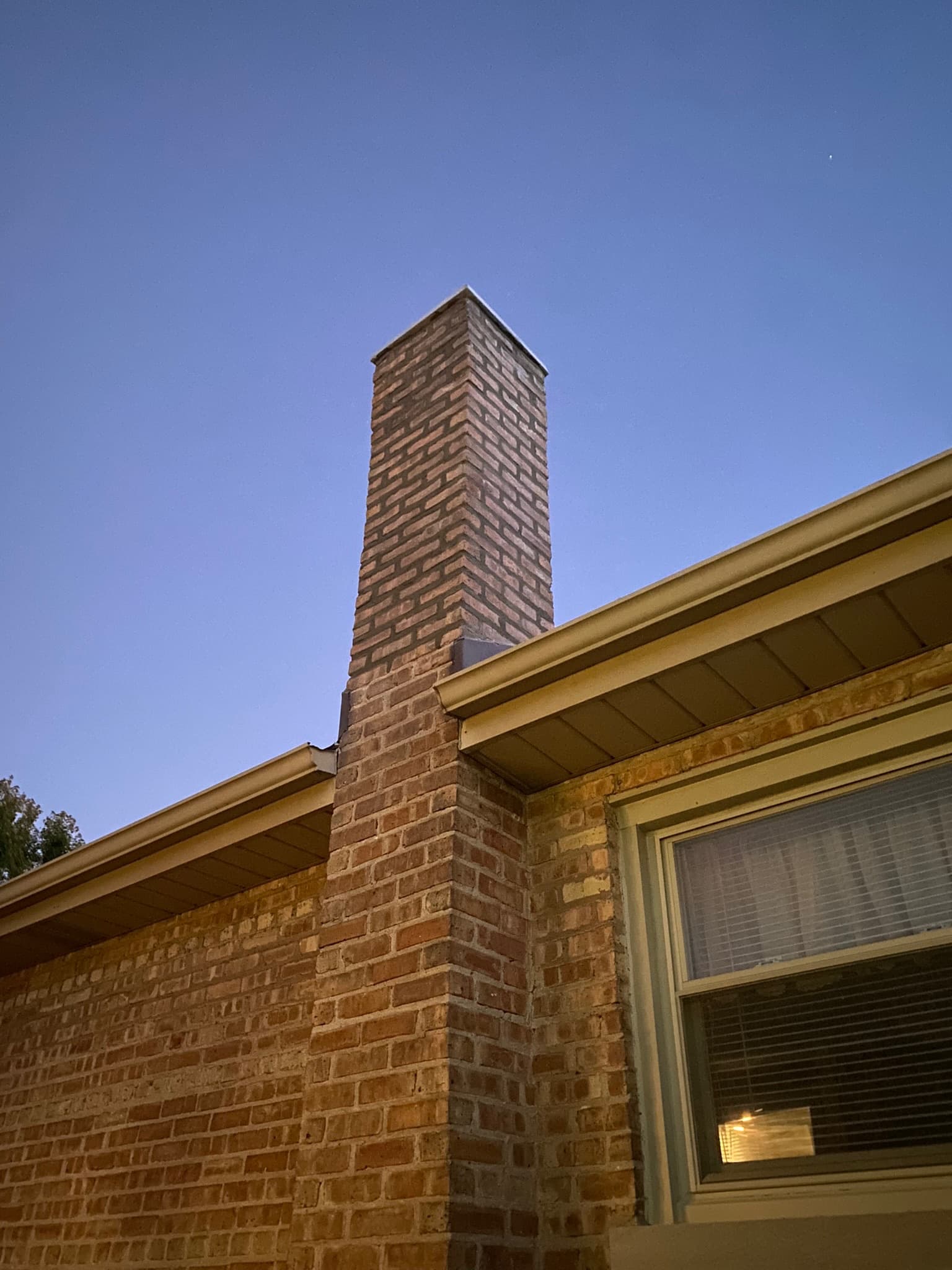
The Chimney Maintenance Window Most Bartlett Homeowners Miss
Bartlett was one of the faster-growing DuPage and Kane County suburbs through the 1990s and early 2000s, with large-scale subdivision development that produced thousands of single-family homes with brick chimneys. Those chimneys are now 20 to 35 years old — squarely in the first major maintenance window.
A chimney built in the 1990s in the Chicago suburbs has been through 25+ freeze-thaw cycles. What that means structurally:
- Chimney crown: The concrete cap at the top of the stack develops hairline cracks within 10–15 years in Illinois. Water gets into those cracks, freezes, and wedges the crown open over successive winters. By year 20, a crown crack that looks minor on the surface has often allowed significant water into the flue cavity.
- Upper mortar joints: The top three to four courses of brick take the most weather exposure. These joints typically need attention every 15–20 years. When they fail, water infiltrates the chimney cavity and eventually works its way down to the flashing line.
- Flashing: The metal flashing where the chimney meets the roofline is the most common source of attic water damage at the chimney location. Step flashing and counter-flashing both need to be intact for the chimney to be watertight. Masonry contractors address the chimney structure; roofing contractors address the metal flashing. We clearly define scope for both if we find flashing issues during our assessment.
Chimney Repair Services We Provide in Bartlett
Crown Replacement
A failed crown gets replaced — not patched with hydraulic cement or caulk. We remove the old crown, clean and prepare the flue tile edge, and pour a new sloped crown that overhangs the brick by at least 1" to direct water away from the joint. We add a bead of flexible sealant at the flue-to-crown interface to handle thermal movement. A properly formed crown lasts 20–30 years.
Tuckpointing and Repointing
For chimneys where the brick is intact but the mortar joints are eroded, we cut out and repoint using mortar matched to the original mix. Upper chimney courses — particularly the section above the roofline — are the highest priority. We work from extension ladders or proper rooftop staging; we don't use the chimney as a work anchor.
Brick Replacement
Freeze-thaw damage that has spalled brick faces in the upper courses requires replacing affected units before repointing. A spalled brick in a chimney is also a potential debris hazard. We match replacement brick to the original as closely as possible and ensure the new units sit flush with the adjacent courses.
Partial and Full Rebuilds
When a chimney has deteriorated past the point where repair is cost-effective — typically when more than 20–30% of the brick in the upper section is compromised — a partial or full above-roofline rebuild is the right answer. We take the chimney down to a stable course, rebuild with compatible brick and proper mortar, and install a new crown. This is a full-day job for a crew and costs more than routine maintenance, but it addresses the problem definitively rather than deferring it.
What to Watch for on Your Bartlett Home
If any of these are visible from the ground, a professional evaluation is worth scheduling:
- White streaking or staining on the chimney brick — efflorescence from water cycling
- Brick faces that look chipped, layered, or like pieces have popped off
- Dark staining around the chimney on the interior ceiling or attic
- Crown that's visibly cracked across the top
- Mortar joints that appear recessed, crumbly, or missing in sections
- Caulk that's been applied to chimney joints as a patch (common in Bartlett homes)
We offer free on-site estimates in Bartlett and can usually provide a verbal scope summary during the visit itself.
Why Subdivision Chimneys Need Earlier Attention
One pattern we see consistently in newer subdivision homes (1985–2005 construction) versus older brick buildings: the crown work was often done with a thin concrete overpour that looks substantial but was applied in a single pass. Thin crowns crack earlier and are more prone to wholesale failure rather than gradual deterioration. If your chimney was built during the Bartlett subdivision boom, don't wait for visible cracking from the ground — by the time it's obvious from street level, water has typically been entering the flue for years.
For full masonry restoration assessments that include chimney condition, see our masonry restoration service.
FAQ
I see caulk in my chimney crown joints. Is that a proper repair?
Caulking a chimney crown crack is a short-term patch, not a repair. Elastomeric caulk bridges the crack and keeps water out for one or two seasons, but the underlying crack continues to widen with each freeze cycle. Eventually the caulk debonds or splits — usually worse than the original gap. The proper fix is a new crown for failed crowns or targeted crack repair for isolated cracks with properly placed flexible sealant.
Does chimney repair require permits in Bartlett?
Most routine chimney tuckpointing and crown repair doesn't require a permit. A full rebuild may require one depending on scope and height. We're familiar with the requirements in DuPage and Kane County municipalities and handle permit questions on a project-by-project basis.
How do I know if my chimney flashing is failing versus the masonry itself?
Water that appears during rain events without wind-driven precipitation typically points to flashing failure at the roof interface. Water that appears after snow sits on the chimney and melts suggests mortar or crown failure, which allows water to penetrate the chimney cavity itself. Often it's both — a flashing gap and a crown problem acting in combination. We assess the masonry; if flashing is a contributing factor, we'll tell you directly.
Can you repair a chimney that serves a gas fireplace, not just wood burning?
Yes. The masonry structure of a gas appliance chimney is identical to a wood-burning chimney — brick stack, mortar joints, crown, and exposed upper courses all face the same freeze-thaw exposure. Gas appliances don't produce creosote, but the chimney masonry deteriorates just as quickly.
Service Area
Emerald Masonry LLC serves Bartlett and the surrounding northwest suburban corridor — including Streamwood, Hanover Park, Wayne, Carol Stream, and Glendale Heights. We're based in Palos Heights, roughly 25 miles southeast. For chimney repair or masonry restoration, call (708) 288-1696 or email emeraldmasonryil@gmail.com. Free estimates on every project.
Ready to get started?
Free on-site estimates for commercial and large-scale projects.