
Efflorescence & Waterproofing · Glendale Heights, IL
Efflorescence & Masonry Waterproofing in Glendale Heights, IL — Stopping Water Infiltration in Brick Buildings
Efflorescence on a brick building in Glendale Heights isn't just an aesthetic problem — the white staining is evidence that water is moving through the masonry. Emerald Masonry LLC identifies the source, addresses the failed joints or coping, and applies penetrating sealer to protect the building going forward.
Quick Answer
Efflorescence on a brick building in Glendale Heights isn't just an aesthetic problem — the white staining is evidence that water is moving through the masonry. Emerald Masonry LLC identifies the source, addresses the failed joints or coping, and applies penetrating sealer to protect the building going forward.
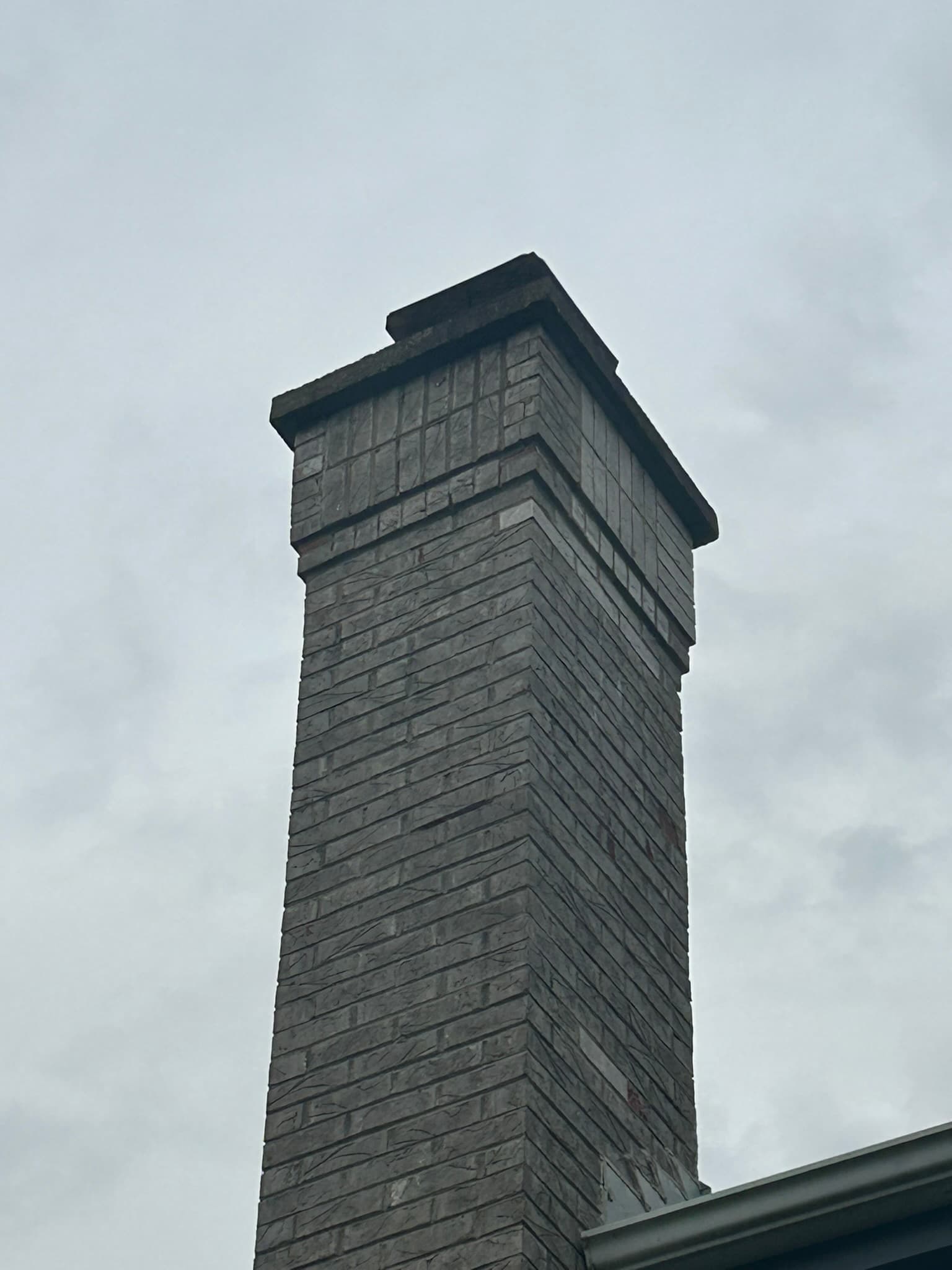
What Efflorescence Is Actually Telling You
Efflorescence — the white, chalky, or crystalline deposits that appear on brick surfaces — is caused by water moving through masonry and depositing soluble salts as it evaporates on the surface. The salt deposit itself is harmless. The water movement that produced it is not.
When you see efflorescence on a Glendale Heights brick building, you're looking at evidence of:
- A water entry point somewhere in the wall assembly — failed mortar joints, a cracked coping cap, a parapet with open head joints, or missing flashing
- Water actively traveling through the masonry and finding a path to the surface
- Mineral deposits accumulating at every evaporation point on the face
Left unaddressed, the water cycling through the wall causes progressive damage: mortar erosion, brick spalling in freeze events, and eventually structural deterioration at lintel and parapet level. The efflorescence is the visible symptom; the water infiltration is the underlying problem.
Why Glendale Heights Buildings Show This Pattern
Glendale Heights was developed primarily in the 1960s through the 1990s — a period when commercial and residential brick construction was the standard for DuPage County. Many of these buildings have now been through 30–60 Illinois winters, and the mortar in original joints has either been eroded by weathering or was tuckpointed with overly hard Portland mortar that has since cracked and opened new entry points.
The commercial buildings along Army Trail Road and North Avenue — mostly one and two-story brick commercial strips and light industrial buildings — are a particularly common source of calls. Flat-roofed commercial buildings with brick parapets are highly vulnerable because the top of the wall (the coping) takes weather from all directions. When coping joints open up, water runs directly into the wall cavity with nowhere to drain.
On the residential side, basement-level brick — especially in partially exposed foundation walls — is where we see the most persistent efflorescence. The issue here is usually grade-level mortar deterioration or missing weep holes in a veneer system.
The Correct Treatment Sequence
Efflorescence treatment is not just cleaning. Washing the deposits off without addressing the water entry points results in the staining returning, usually within one or two wet seasons.
1. Source Identification
We assess the wall to identify where water is entering — failed mortar joints, open coping, degraded flashing, cracked brick, or grade-level issues. This step determines what repair work is needed before any sealer is applied.
2. Repair the Entry Points
This typically involves tuckpointing the deteriorated joints, replacing cracked coping units or repointing coping joints, addressing any lintel or flashing issues, and replacing damaged brick if spalling has created open voids. Sealer applied over failed joints locks moisture in — it doesn't keep moisture out. Repairs come first.
3. Efflorescence Removal
After repair work is complete, we clean the surface using an appropriate acid-based efflorescence remover — diluted muriatic acid or a commercial masonry cleaner. This step requires care: residual acid left in the joints will cause future problems, and brick needs to be pre-wetted before application. We neutralize and rinse thoroughly after cleaning.
4. Penetrating Sealer Application
After the wall is clean and repairs have cured (typically 28 days for mortar), we apply a silane-siloxane penetrating sealer to the exterior face. This treatment penetrates the brick and mortar surface and creates a hydrophobic barrier that repels water without trapping moisture vapor — critical for older masonry that needs to breathe. Surface-applied coatings (elastomeric paint, waterproof coatings) trap vapor inside the wall and cause spalling in Illinois freeze conditions. We don't use them.
What Waterproofing Can and Can't Do
Penetrating sealers are a defensive layer, not a substitute for structural repair. If a wall has open joints, failed coping, or deteriorated brick, a sealer applied over that condition will trap water behind it and accelerate damage. We don't apply sealers until the underlying masonry is sound and the repair mortar has fully cured.
This is worth saying plainly because some contractors apply sealer over failing joints as a stopgap. The result looks fine for a season, then fails worse than the original condition because the sealer has created a vapor barrier over a wet wall.
FAQ
Is the white staining on my brick permanent?
Usually not, with proper cleaning. Old, heavily recurred efflorescence that has been rewetted and redeposited multiple times can stain brick surface pores permanently, but most routine deposits clean off with an acid wash. The test is whether the staining is on the brick surface or has absorbed into the pores — a contractor can assess this during the initial evaluation.
Can I just power wash the white staining off?
Power washing removes surface deposits temporarily but does nothing about the water infiltration causing them. Within one wet season the deposits return. Power washing also risks driving water into already-compromised joints and can strip fresh mortar from recently repointed areas if done too aggressively.
How much does masonry waterproofing cost in Glendale Heights?
The repair scope drives most of the cost. If the primary issue is relatively minor mortar deterioration plus a sealer application, a typical commercial building elevation might run $3,000–$6,000 depending on size. Buildings with significant coping, lintel, or structural repair work needed first will have higher total costs. We provide itemized written estimates after the on-site assessment.
How long does the sealer last?
A quality silane-siloxane penetrating sealer typically remains effective for 7–10 years on commercial brick, depending on sun exposure and how aggressively the building faces weather. South and west elevations may need reapplication on the shorter end of that range. We provide guidance on reapplication interval as part of the project documentation.
Service Area
Emerald Masonry LLC serves Glendale Heights and surrounding DuPage County communities including Bloomingdale, Carol Stream, Addison, Bartlett, and Glen Ellyn. We're based in Palos Heights, roughly 20 miles south. Phone: (708) 288-1696 | Email: emeraldmasonryil@gmail.com | Free on-site estimates.
For tuckpointing, brick repair, or a full masonry restoration assessment alongside waterproofing, we handle the complete scope.
Contact us to schedule a waterproofing evaluation. /#contact
Ready to get started?
Free on-site estimates for commercial and large-scale projects.