
Masonry Restoration · Chicagoland, IL
Do You Need a Permit for Masonry Repair in Chicago and the Suburbs?
Some masonry work needs a permit and some doesn't — and getting it wrong can stall a sale, void insurance, or trigger a stop-work order. Here's a plain-language guide to when tuckpointing, brick repair, and chimney work require permits in Chicago and the Chicagoland suburbs, and how a good contractor handles it.
2026-06-18
Quick Answer
In Chicago and most Chicagoland suburbs, like-for-like masonry repair such as tuckpointing or replacing a few bricks generally needs no permit, but structural work — chimney rebuilds, lintel replacement, wall rebuilds, scaffolding in the public way — usually does, and landmark or facade-ordinance buildings have stricter rules. A licensed contractor confirms and pulls required permits. Emerald Masonry LLC: (708) 288-1696.
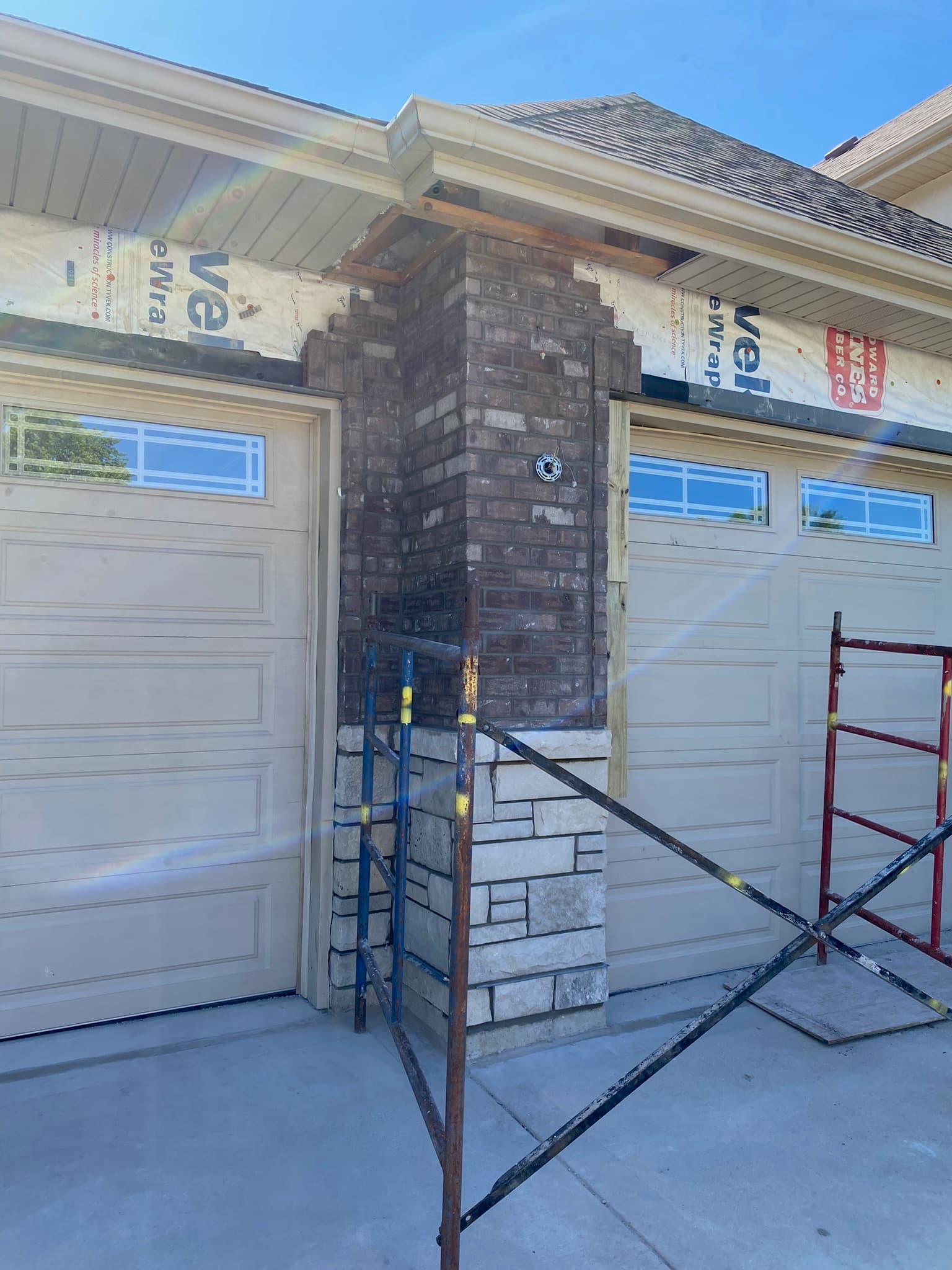
It's one of the most common questions homeowners and property managers ask before masonry work: do I need a permit for this? The honest answer is "it depends" — but it depends on a small number of clear factors, and once you understand them, the picture gets a lot simpler. Getting it right matters more than people assume: an unpermitted structural repair can trigger a stop-work order, generate fines, complicate a future home sale, and even create problems with an insurance claim down the line.
This is a plain-language guide to when masonry repair needs a permit across Chicago and the Chicagoland suburbs, and what a responsible contractor does about it. (One caveat up front: permitting is set by each municipality, so this explains the general logic — your local building department has the final word, and a good contractor confirms with them.)
The Core Principle: Repair vs. Alteration
Almost every permitting decision in masonry comes down to one distinction: are you maintaining/repairing something in kind, or are you altering structure?
- Like-for-like repair and maintenance — replacing failed mortar with matched mortar, swapping out a few spalled bricks, repairing a crown — is generally treated as ordinary maintenance and typically does not require a permit.
- Structural work and alterations — rebuilding a chimney or a wall section, replacing a steel lintel, taking down and rebuilding a parapet, anything that affects how the building stands up — generally does require a permit because an inspector needs to verify it was done correctly.
Most routine residential masonry falls on the no-permit side of that line. Most major restoration work falls on the permit side. The grey area in the middle is exactly where a knowledgeable contractor earns their keep.
Work That Usually Does NOT Require a Permit
In most Chicagoland jurisdictions, these are treated as maintenance:
- Tuckpointing and repointing an existing wall with matching mortar
- Replacing a small number of spalled or cracked bricks in kind
- Chimney crown repair or recasting without rebuilding the stack
- Caulking and sealant joint replacement
- Masonry cleaning, power washing, and sealing
These don't change the structure — they restore it to its existing condition — which is why they typically don't trigger a permit. Note the qualifier "most": a few municipalities and all landmark districts are stricter (more on that below).
Work That Usually DOES Require a Permit
Once the work becomes structural or affects the building envelope significantly, expect a permit:
- Partial or full chimney rebuilds — taking the stack down and rebuilding it
- Lintel replacement — replacing the structural steel that carries brick over openings
- Parapet wall rebuilds and other roofline structural masonry
- Rebuilding a section of load-bearing or structural wall
- Foundation wall rebuilds and structural foundation repair
- Work requiring scaffolding or a lift in the public way (sidewalk/street), which often needs its own permit regardless of the masonry scope
- Anything altering the size of openings or the structure of the building
The logic is consistent: if a mistake could affect safety or the structure, the jurisdiction wants an inspection on record.
The Special Cases: Landmarks and Facade Ordinances
Two situations override the simple repair-vs-alteration logic and demand extra care:
Landmark and historic districts. Chicago has numerous landmark districts, and many suburbs — Oak Park, Evanston, Riverside, and others — have historic preservation ordinances. In these areas, even straightforward repointing can require review and a permit, because the appearance of the work (mortar color, joint profile, brick matching) is regulated, not just its structure. Using the wrong mortar on a landmarked building isn't just bad craftsmanship; it can be a code violation. (See our historic masonry restoration work.)
Chicago's facade ordinance for tall buildings. Chicago requires periodic facade inspections and reporting for buildings over a certain height (generally those taller than 80 feet). Masonry repairs on these buildings tie into that critical-examination process and carry their own requirements. This is firmly commercial territory and is handled accordingly.
If your building is in a landmark district or is a tall commercial structure, assume stricter rules apply and confirm them before any work begins.
Why This Matters — The Real Risks
Skipping a required permit isn't a paperwork shortcut; it's a liability:
- Stop-work orders and fines. If an inspector or neighbor flags unpermitted structural work, the job can be halted and penalized.
- Re-inspection of finished work. You may be required to expose completed masonry so it can be inspected after the fact — tearing into the very repair you paid for.
- Home sale complications. Buyers and their attorneys increasingly ask for permit history. Unpermitted structural work can delay or derail a closing, or force corrective work as a condition of sale.
- Insurance friction. If a claim involves masonry that was structurally altered without a permit or inspection record, it can complicate coverage.
None of this is a reason to fear permits — it's a reason to get them when they're required.
How a Good Contractor Handles Permits
Here's a practical tell for vetting a masonry contractor: how do they talk about permits?
A licensed, reputable contractor will determine whether your specific job needs a permit, confirm with the local building department when there's any question, and pull required permits as part of the work. They'll know that a chimney rebuild in your village needs a permit while repointing the same chimney doesn't, and they'll know whether your address sits in a historic district.
Two red flags: a contractor who waves off a permit on clearly structural work to "save time," and a contractor who tells you to pull the permit yourself (often a sign they're not properly licensed in that jurisdiction). Either one leaves you holding the risk.
Bottom Line
For the everyday masonry most homeowners need — tuckpointing, a few replacement bricks, a crown repair — you're generally in maintenance territory with no permit required. The moment the work becomes structural (chimney rebuilds, lintels, parapets, wall and foundation rebuilds) or your building is landmarked or tall-commercial, permits and inspections come into play. The safe move is simple: let a licensed contractor make the call and handle the paperwork, and confirm anything uncertain with your municipality.
Emerald Masonry LLC is a family-owned, licensed and insured masonry contractor serving Chicago and the Chicagoland suburbs with 40+ years of experience in tuckpointing, chimney repair, brick repair and replacement, lintel and parapet repair, foundation and limestone/sill repair, caulking, power washing, sealing, and commercial, residential, and historic masonry restoration. We confirm permit requirements with your local building department and handle what's needed. Contact us for a free on-site estimate, or call (708) 288-1696.
Frequently Asked Questions
Do I need a permit to tuckpoint my house in Chicago or the suburbs?
Usually not for straightforward like-for-like tuckpointing or repointing of an existing wall — most jurisdictions treat that as ordinary maintenance. Permits typically kick in for structural work, chimney rebuilds, scaffolding over the public way, or work on landmarked and facade-ordinance buildings. Requirements vary by municipality, so a licensed contractor should confirm with your local building department.
Does chimney repair require a permit in Illinois?
It depends on the scope. Minor repointing, crown repair, or replacing a few bricks is usually maintenance. A partial or full chimney rebuild, or work that alters structure, commonly requires a permit because it's structural masonry. Your municipality's building department has the final say, and a good contractor checks before starting.
What happens if masonry work is done without a required permit?
You can face a stop-work order, fines, and being required to expose and re-inspect finished work. Unpermitted structural work can also complicate a home sale or an insurance claim, since there's no inspection record. That's why confirming permit requirements up front — not after — matters.
Who is responsible for pulling the permit, me or the contractor?
A licensed, reputable contractor handles permit determination and pulls required permits as part of the job. Be cautious of any contractor who tells you to pull the permit yourself or who wants to skip one on clearly structural work — both are red flags. Emerald Masonry confirms requirements with the local building department.
Frequently Asked Questions
Do I need a permit to tuckpoint my house in Chicago or the suburbs?
Usually not for straightforward like-for-like tuckpointing or repointing of an existing wall — most jurisdictions treat that as ordinary maintenance. Permits typically kick in for structural work, chimney rebuilds, scaffolding over the public way, or work on landmarked and facade-ordinance buildings. Requirements vary by municipality, so a licensed contractor should confirm with your local building department.
Does chimney repair require a permit in Illinois?
It depends on the scope. Minor repointing, crown repair, or replacing a few bricks is usually maintenance. A partial or full chimney rebuild, or work that alters structure, commonly requires a permit because it's structural masonry. Your municipality's building department has the final say, and a good contractor checks before starting.
What happens if masonry work is done without a required permit?
You can face a stop-work order, fines, and being required to expose and re-inspect finished work. Unpermitted structural work can also complicate a home sale or an insurance claim, since there's no inspection record. That's why confirming permit requirements up front — not after — matters.
Who is responsible for pulling the permit, me or the contractor?
A licensed, reputable contractor handles permit determination and pulls required permits as part of the job. Be cautious of any contractor who tells you to pull the permit yourself or who wants to skip one on clearly structural work — both are red flags. Emerald Masonry confirms requirements with the local building department.