
Historic Masonry Restoration
Old buildings need soft mortar and a light hand — modern materials damage them.
Overview
Historic masonry restoration is a different discipline. Older brick and stone were built with soft, lime-based mortar and are meant to flex and breathe. Repairing them with hard modern Portland mortar or cleaning them with high pressure does real, often irreversible damage — trapping water, transferring stress into the brick, and stripping historic surfaces. Period-sensitive work means matching the original materials and methods.
We restore historic and landmark-era masonry across Chicagoland — lime mortar repointing matched in composition and color, careful brick and stone repair, Dutchman splices, and gentle cleaning that never sandblasts. The goal is to preserve the building's fabric and character while making it sound and weather-tight.
Scope of Work
- Lime mortar analysis and matching
- Period-sensitive repointing
- Historic brick and stone repair
- Dutchman stone splices
- Gentle, non-abrasive cleaning
- Landmark and greystone facade restoration
Quick Answer
Emerald Masonry LLC restores historic and landmark-era masonry across Chicagoland with lime mortar matched in composition and color, careful brick and stone repair, and gentle cleaning — never sandblasting. Family-owned, licensed and insured, 40+ years. Call (708) 288-1696.
Warning Signs
When to Call Us
01
Hard Mortar in a Soft Wall
Earlier repairs done with hard Portland mortar on a soft historic wall transfer stress into the brick and trap water, causing spalling. These need to be removed and repointed with compatible lime mortar.
02
Eroded or Sugaring Stone
Historic limestone that's becoming powdery or losing its profile — often from past harsh cleaning — needs consolidation or matched repair before the loss becomes structural.
03
Weathered Lime Mortar Joints
Original lime joints eventually weather out and need repointing with mortar matched in softness and color to keep the wall working as designed.
04
Damage From Prior Sandblasting
Brick that was sandblasted in the past has lost its protective face and absorbs water rapidly. It needs gentle, protective treatment — never more abrasion.
Materials We Use
- Lime-based mortar matched to the original
- Salvaged and matched historic brick
- Matched stone for Dutchman splices
- Stone consolidants and gentle cleaners
What Affects the Price
- Mortar analysis and matching
- Extent of repointing and stone repair
- Match difficulty and material sourcing
- Access and the building's sensitivity
Every building is different. We provide free on-site estimates so you get a real number for your property — call (708) 288-1696.
Making the Right Call
Historic restoration vs. standard repair
Standard repair uses modern materials and methods that damage historic masonry — hard mortar, high-pressure cleaning. Historic restoration matches the original soft mortar and uses gentle techniques, preserving the building's fabric while making it sound.
Past Work
Project Gallery
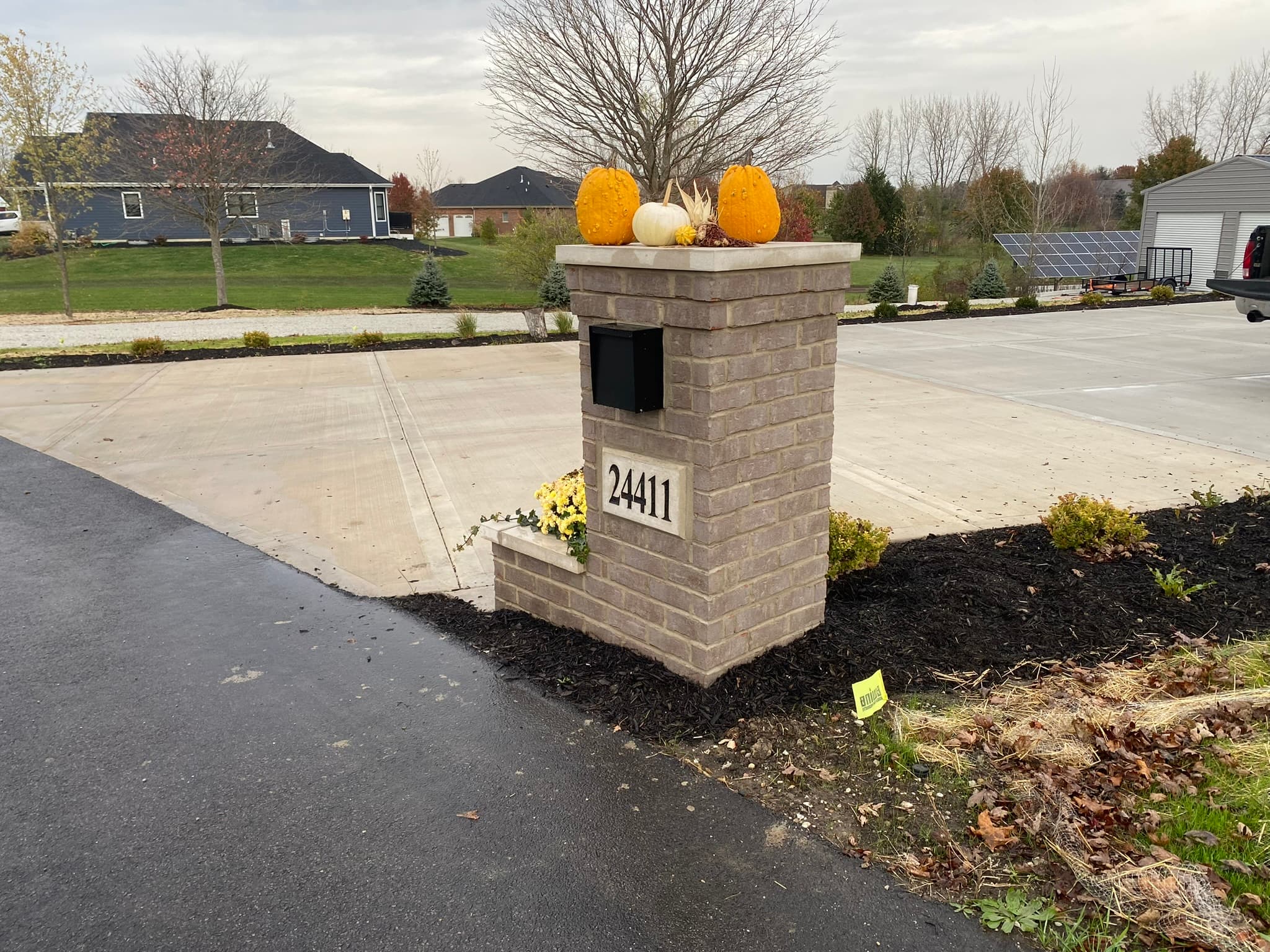
Historic facade restoration — Chicagoland
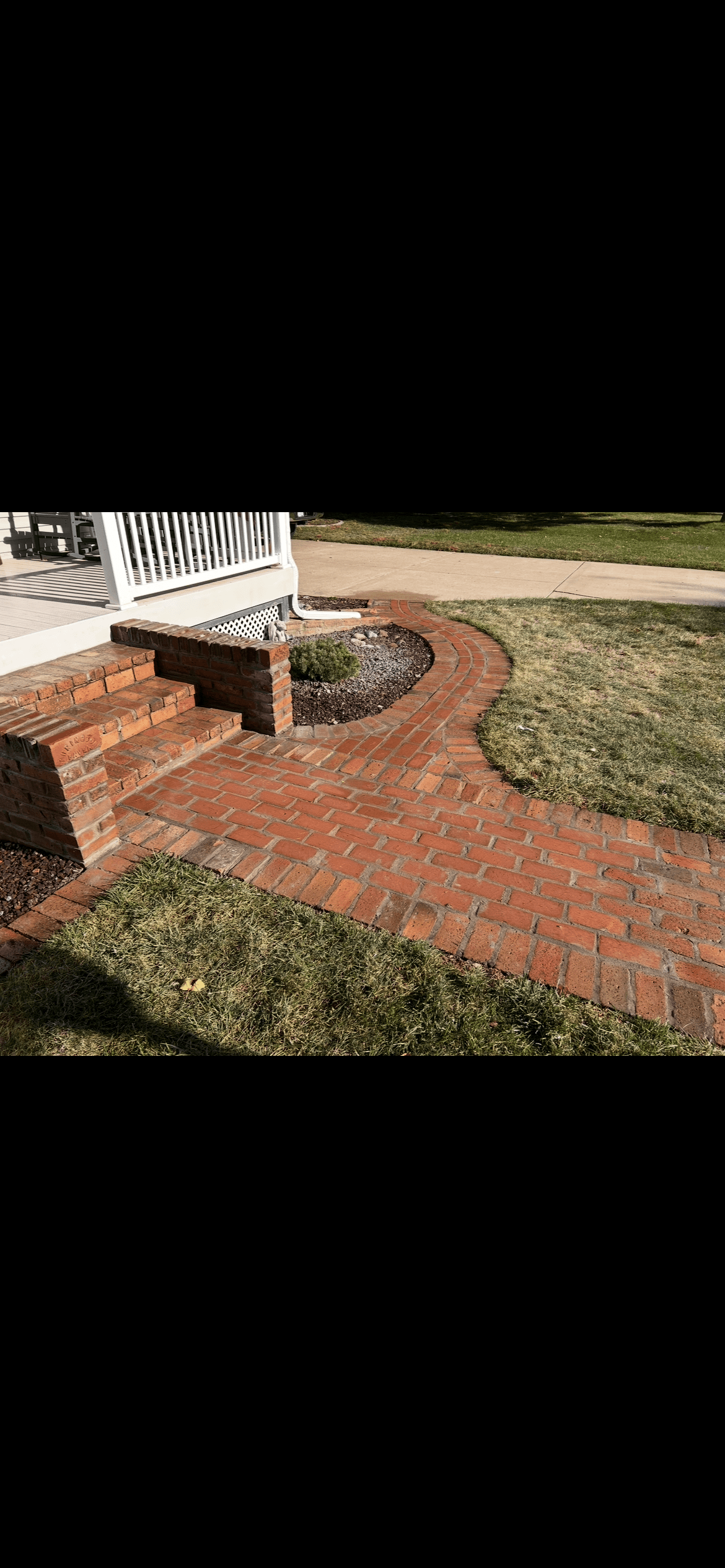
Lime mortar repointing
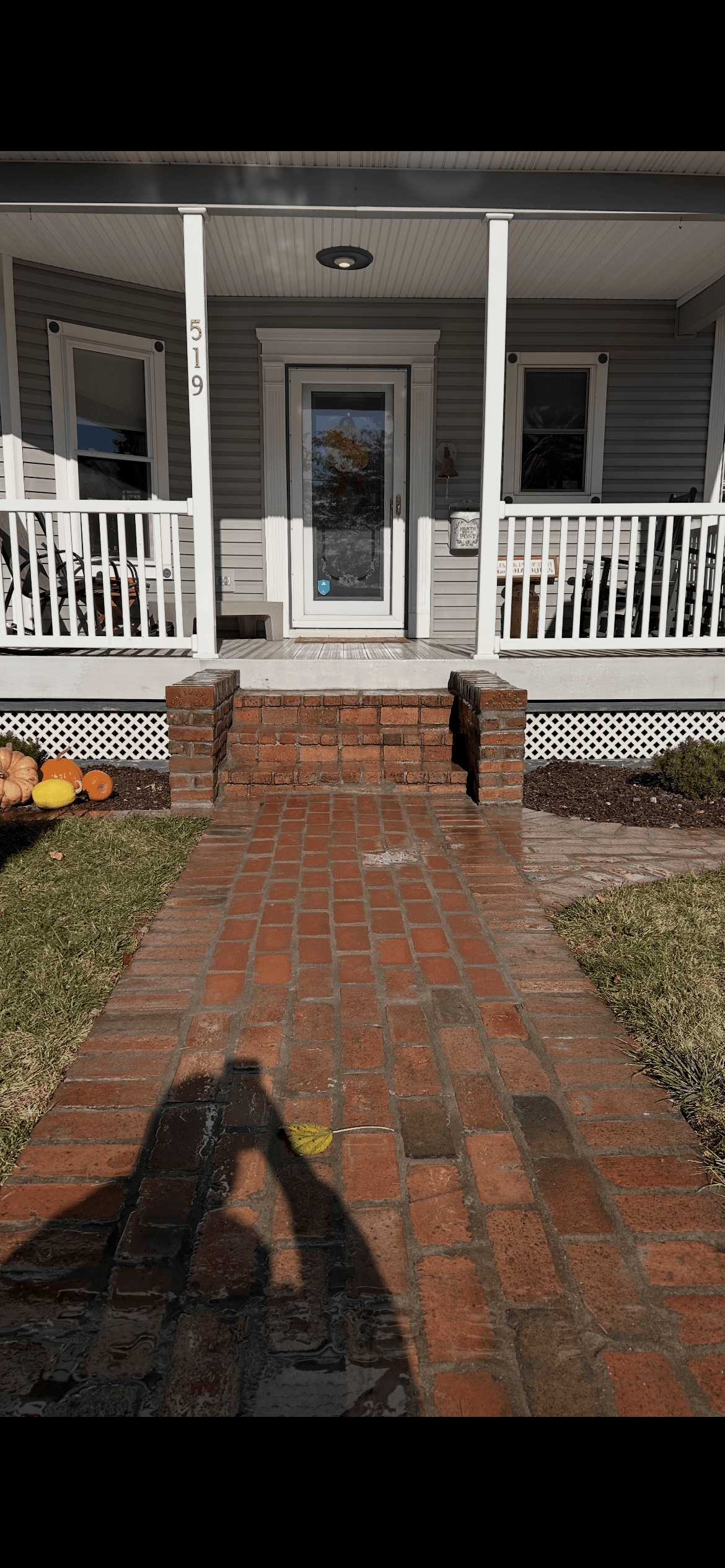
Historic stone restoration
FAQ
Common Questions
Old brick is soft and was built with soft, lime-based mortar so the joints flex and the wall breathes. Hard modern mortar is stronger than the brick, so it transfers stress into the brick and traps water — causing the brick to crack and spall. Matching the original mortar is essential.
We assess the original mortar's composition (lime vs. Portland), color, and hardness, and mix a compatible replacement that matches both appearance and softness. Matching hardness matters as much as color.
Often, yes. Eroded or cracked stone can frequently be consolidated, repaired with matched material, or spliced with a Dutchman rather than fully replaced — preserving the original fabric of the building.
Gently. Historic brick should never be sandblasted or high-pressure washed — both strip the protective face and accelerate decay. We use the lowest effective pressure and masonry-safe cleaners appropriate to the surface.
Get Started
Request a Free Historic Masonry Restoration Estimate
Free on-site estimates for commercial and large-scale residential projects across Chicagoland. Upload diagnostic photos and we'll get back to you the same day.
Phone
(708) 288-1696Other Services
Service
Tuckpointing & Repointing
Stop water intrusion at the source — before it reaches the structure.
Service
Brick Repair & Replacement
Individual bricks fail. We replace them before the damage spreads.
Service
Chimney Repair & Rebuilds
The chimney is the most exposed masonry on the building. It shows first.
Service
Masonry Restoration
Large-scale deterioration requires a systematic approach — not a patch.
Service
Efflorescence Removal & Waterproofing
White stains are a symptom. Water in the wall is the problem.
Service
Commercial & Industrial Masonry
Commercial masonry requires a contractor who shows up, communicates, and delivers.
Service
Brick Replacement
When a brick can't be saved, the right replacement disappears into the wall.
Service
Lintel Repair & Replacement
Rusting steel lifts the brick above it. Caught early, it's a contained repair.
Service
Parapet Wall Repair
Exposed on three sides with no roof above it, the parapet fails first.
Service
Foundation Masonry Repair
Where the building meets the ground, water and movement do the most damage.
Service
Limestone & Sill Repair
Stone sills shed water for the whole wall — until they crack and start holding it.
Service
Masonry Caulking & Joint Sealant
The right joint moves with the building. Mortar there just cracks.
Service
Masonry Power Washing
Brick should be cleaned, not blasted. The wrong pressure does permanent damage.
Service
Masonry Sealing & Waterproofing
Keep liquid water out while letting the wall breathe — sequence and product matter.
Service
Commercial Masonry Restoration
Large footprints, occupied buildings, and boards that need documentation.
Service
Residential Masonry Restoration
When a home needs more than one repair, a coordinated plan beats years of patching.