
Commercial Masonry Restoration
Large footprints, occupied buildings, and boards that need documentation.
Overview
Commercial masonry restoration is a managed project, not just a repair. Property managers, HOAs, churches, and building owners need a contractor who can assess a full building honestly, develop a phased plan that fits budget cycles, coordinate access on an occupied property, and document the work for boards and insurers. That project-management discipline is as important as the masonry itself.
We restore commercial and institutional masonry across Chicagoland — multi-elevation tuckpointing and brick replacement, parapet and lintel work, CMU repair, and waterproofing — with written scopes, phased scheduling, and before/after documentation throughout. We don't oversell scope, and we don't cut it to hit a number.
Scope of Work
- Full-building masonry assessment and reporting
- Multi-elevation tuckpointing and brick replacement
- Parapet and lintel restoration at scale
- CMU block repair and replacement
- Phased restoration planning
- Insurance documentation and scopes
Quick Answer
Emerald Masonry LLC restores commercial and institutional masonry across Chicagoland — multi-elevation tuckpointing, brick, parapet, lintel, and CMU work with written scopes, phased plans, and documentation for boards and insurers. Licensed, bonded, insured, 40+ years. Call (708) 288-1696.
Warning Signs
When to Call Us
01
Deterioration Across Multiple Elevations
When joint failure, spalling, and water entry appear on several faces of a building, spot repairs won't keep up. A systematic, phased restoration is more durable and predictable.
02
Parapet and Lintel Failure at Scale
Commercial buildings with many openings and long parapets often show the same failures repeated across the structure — these need to be scoped comprehensively, not one at a time.
03
Active Water Intrusion
Water entering an occupied commercial building damages interior finishes and accelerates structural decay. It's urgent regardless of budget cycles and is prioritized in the phase plan.
04
Years of Deferred Maintenance
Layered deferred maintenance — failed joints, spalling brick, failed prior patches — calls for a coordinated plan that removes the old failures before rebuilding the envelope.
Materials We Use
- Commercial-grade mortar matched per elevation
- Replacement brick and CMU block
- Replacement steel lintels and shelf angles
- Commercial-rated sealants and water repellents
What Affects the Price
- Building size, stories, and number of elevations
- Access (scaffolding, swing stage, boom lift)
- Single building vs. multi-property portfolio
- Phasing and documentation requirements
Every building is different. We provide free on-site estimates so you get a real number for your property — call (708) 288-1696.
Making the Right Call
Managed restoration vs. spot repair
On a large building, repeated spot repairs cost more over time and never get ahead of the deterioration. A managed, phased restoration sequences the work, documents it for stakeholders, and resolves the envelope rather than chasing symptoms.
Past Work
Project Gallery
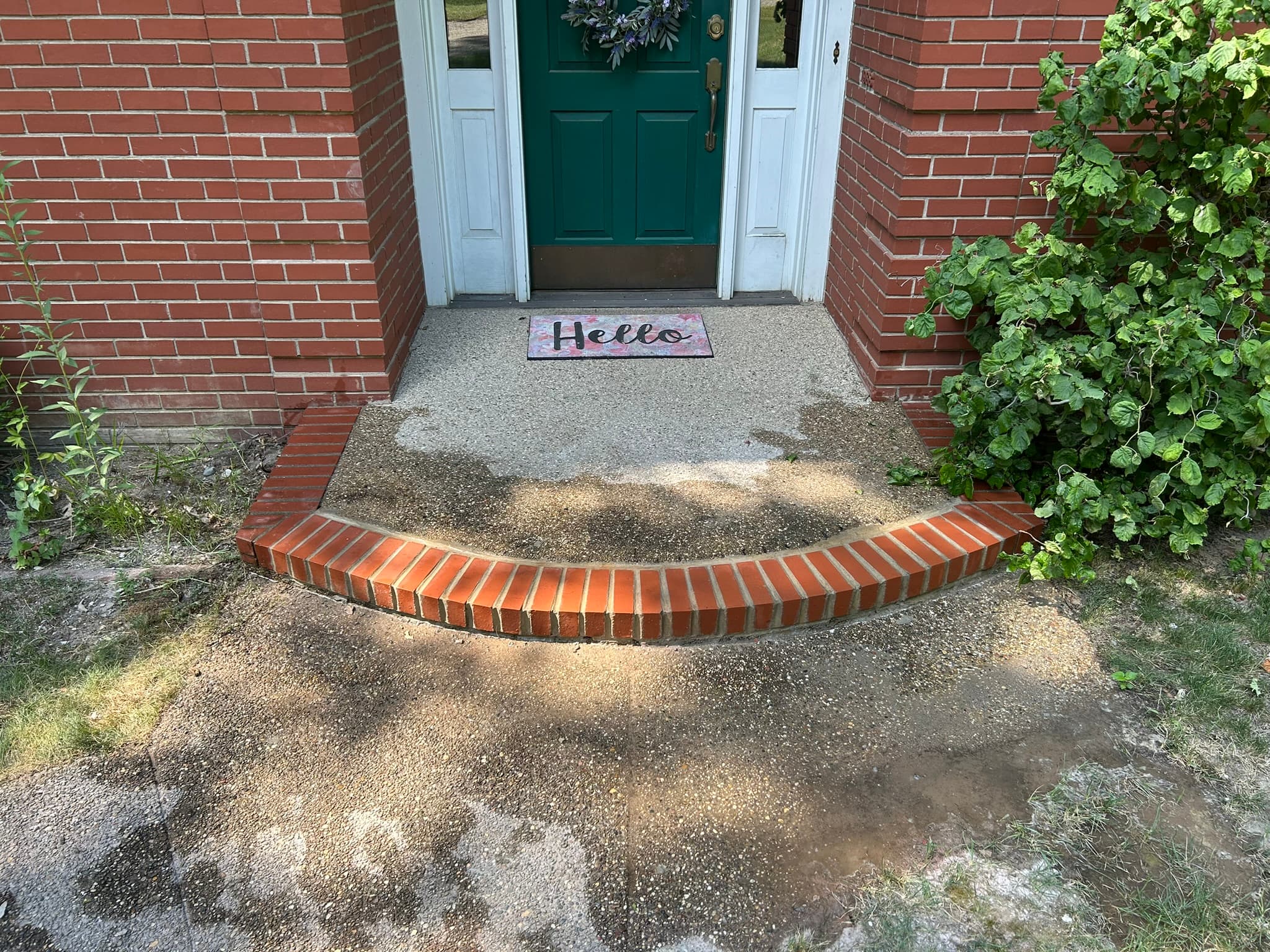
Commercial masonry restoration
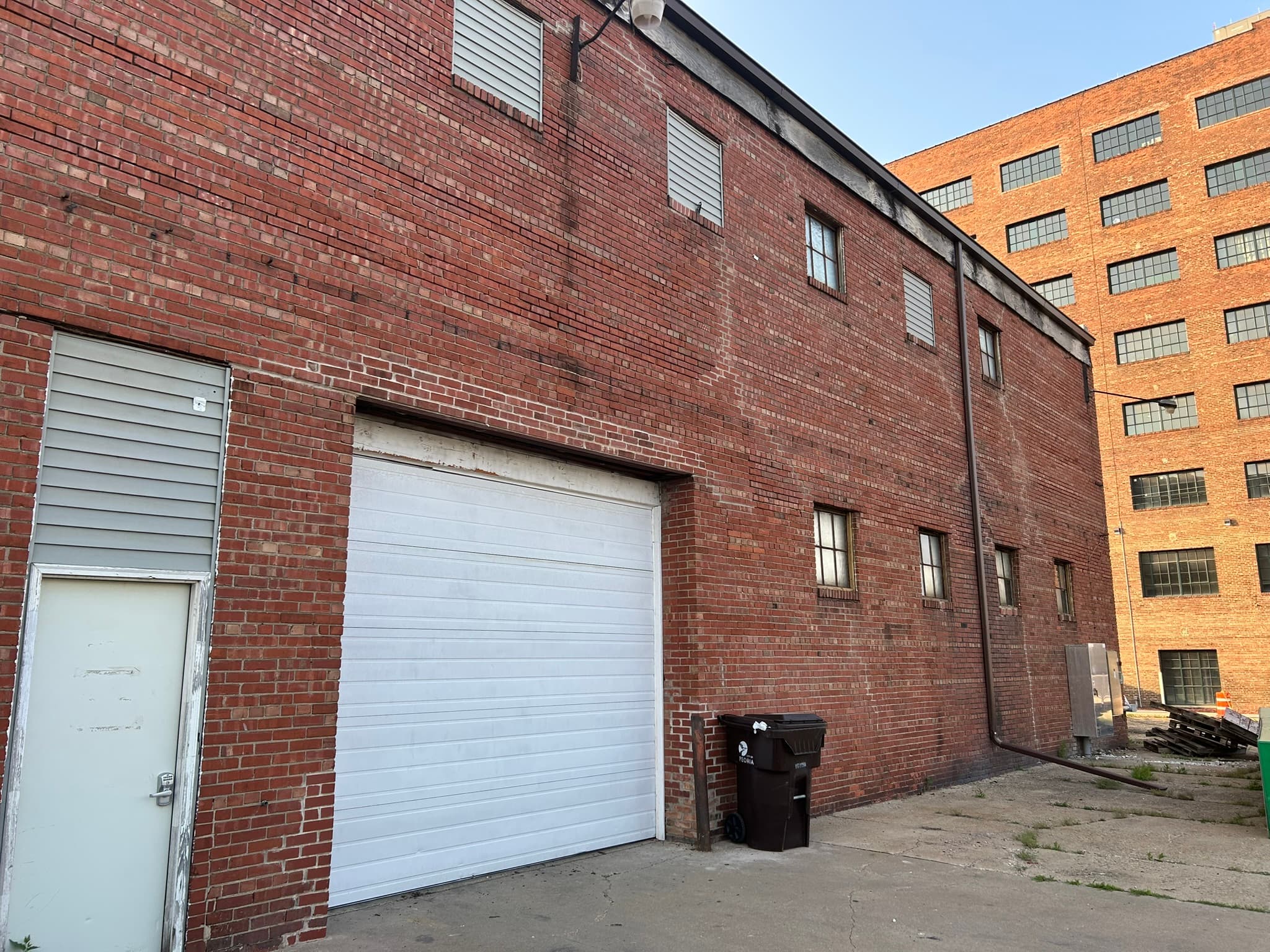
Multi-elevation commercial tuckpointing
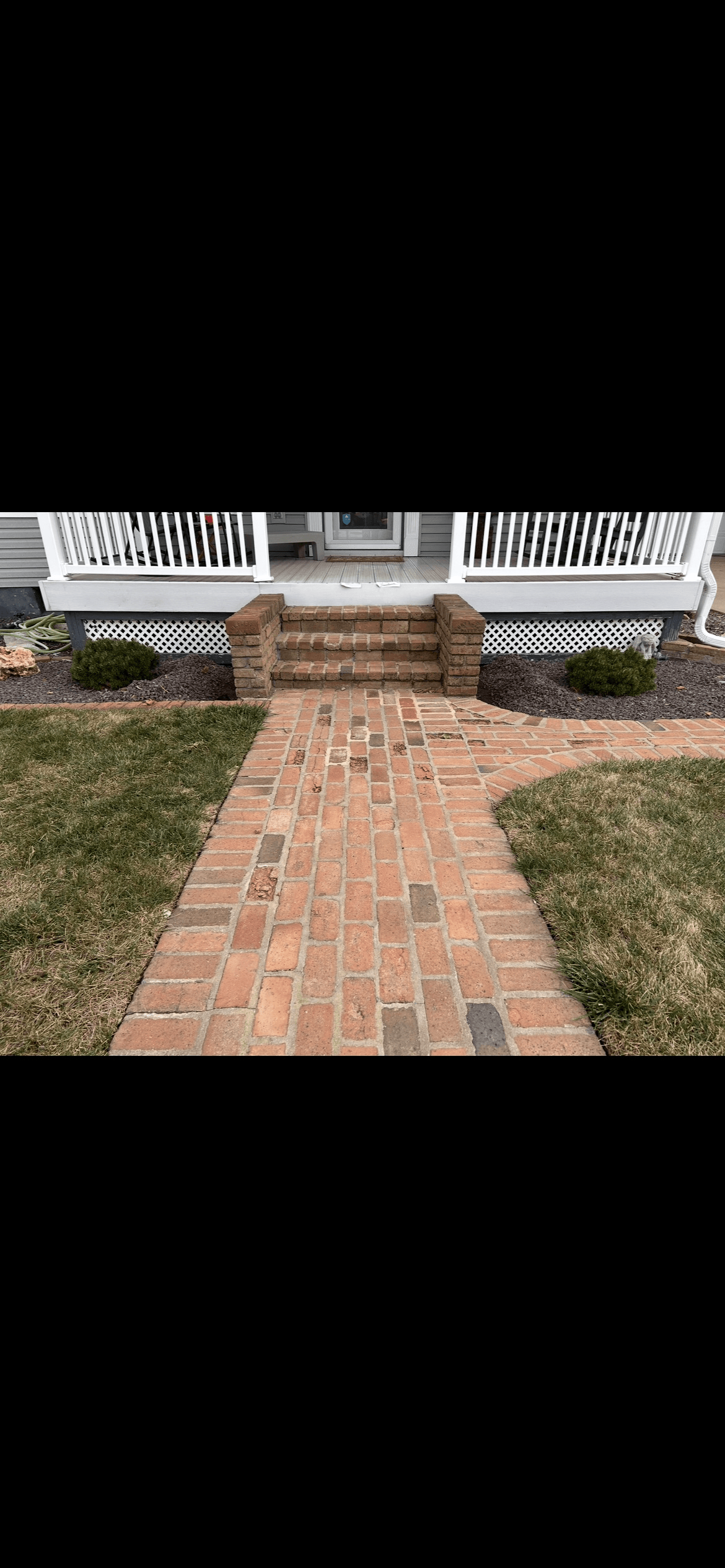
Commercial parapet reconstruction
FAQ
Common Questions
Yes — and for larger buildings it usually should be. We prioritize the most critical issues first (active water intrusion, structural concerns, parapets) and plan subsequent phases around budget and operations, with the full phased plan set before work starts.
Yes. We document conditions on all elevations, photograph key failure points, and provide a written scope with prioritized recommendations — useful for board presentations, reserve planning, and insurance documentation.
Yes. Restoration on occupied commercial properties requires careful staging, tenant communication, and scheduling around operations. We build a project-specific plan with the property manager covering access, noise, debris, and sequencing before work begins.
Yes. We provide damage documentation, written scopes, and before/after photos in a format that supports the claims process, and we work directly with adjusters and TPAs.
Get Started
Request a Free Commercial Masonry Restoration Estimate
Free on-site estimates for commercial and large-scale residential projects across Chicagoland. Upload diagnostic photos and we'll get back to you the same day.
Phone
(708) 288-1696Other Services
Service
Tuckpointing & Repointing
Stop water intrusion at the source — before it reaches the structure.
Service
Brick Repair & Replacement
Individual bricks fail. We replace them before the damage spreads.
Service
Chimney Repair & Rebuilds
The chimney is the most exposed masonry on the building. It shows first.
Service
Masonry Restoration
Large-scale deterioration requires a systematic approach — not a patch.
Service
Efflorescence Removal & Waterproofing
White stains are a symptom. Water in the wall is the problem.
Service
Commercial & Industrial Masonry
Commercial masonry requires a contractor who shows up, communicates, and delivers.
Service
Brick Replacement
When a brick can't be saved, the right replacement disappears into the wall.
Service
Lintel Repair & Replacement
Rusting steel lifts the brick above it. Caught early, it's a contained repair.
Service
Parapet Wall Repair
Exposed on three sides with no roof above it, the parapet fails first.
Service
Foundation Masonry Repair
Where the building meets the ground, water and movement do the most damage.
Service
Limestone & Sill Repair
Stone sills shed water for the whole wall — until they crack and start holding it.
Service
Masonry Caulking & Joint Sealant
The right joint moves with the building. Mortar there just cracks.
Service
Masonry Power Washing
Brick should be cleaned, not blasted. The wrong pressure does permanent damage.
Service
Masonry Sealing & Waterproofing
Keep liquid water out while letting the wall breathe — sequence and product matter.
Service
Residential Masonry Restoration
When a home needs more than one repair, a coordinated plan beats years of patching.
Service
Historic Masonry Restoration
Old buildings need soft mortar and a light hand — modern materials damage them.